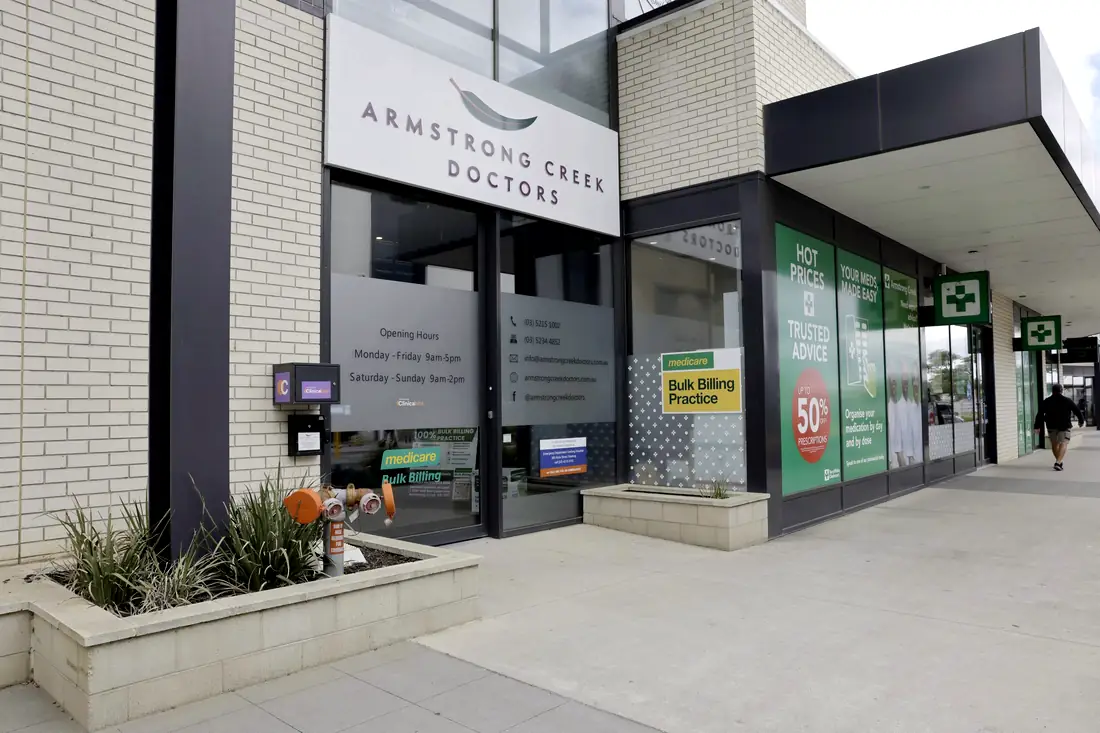



Renewing a practice that cannot close. Staged, sequenced around clinical hours and dust-managed — as delivered at 200 Crown Street, Wollongong, 395 m² while the doors stayed open.
Most practices cannot shut for six weeks. The lease keeps running, the appointment book is full, and every day closed is revenue that does not come back. That constraint, not the finishes, is what shapes a refurbishment.
The work gets broken into stages that each leave a functioning practice at the end of the shift. Dust and noise are contained, clinical areas stay clinical, and the sequence is agreed with your practice manager before anyone picks up a tool.
A refurbishment of a trading practice is not a fitout done slowly. It is a different project, and it has to be planned that way from the first conversation.

Six things that decide whether it lands — every one settled before a wall goes up.
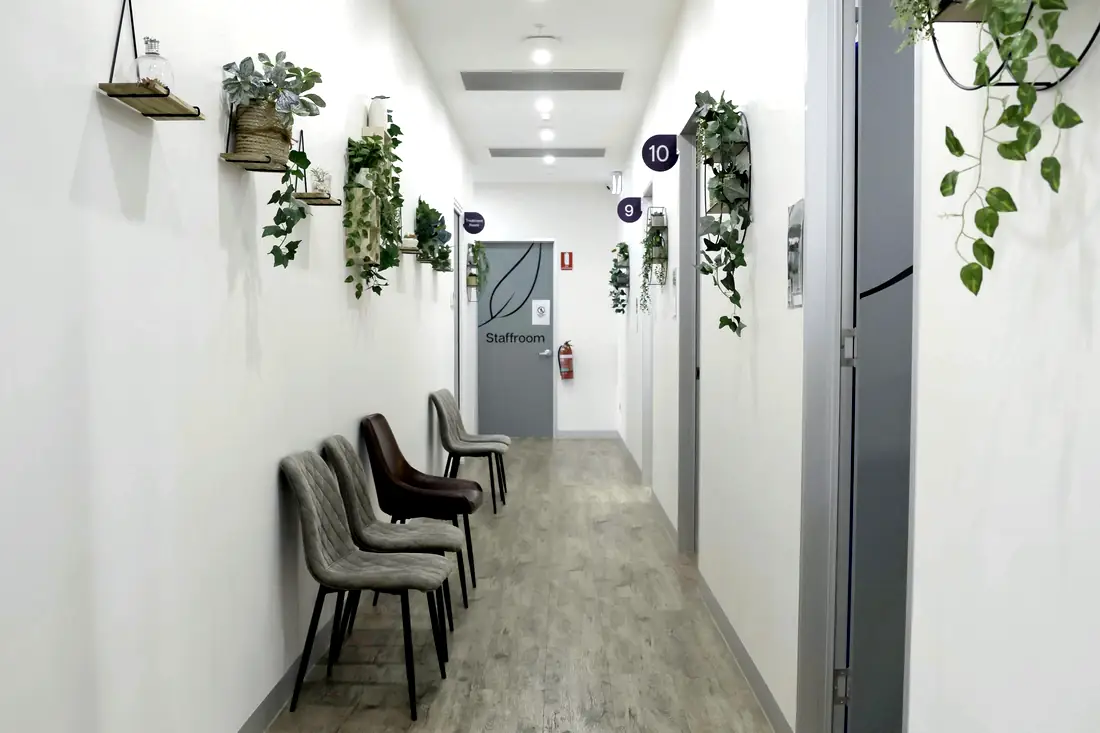
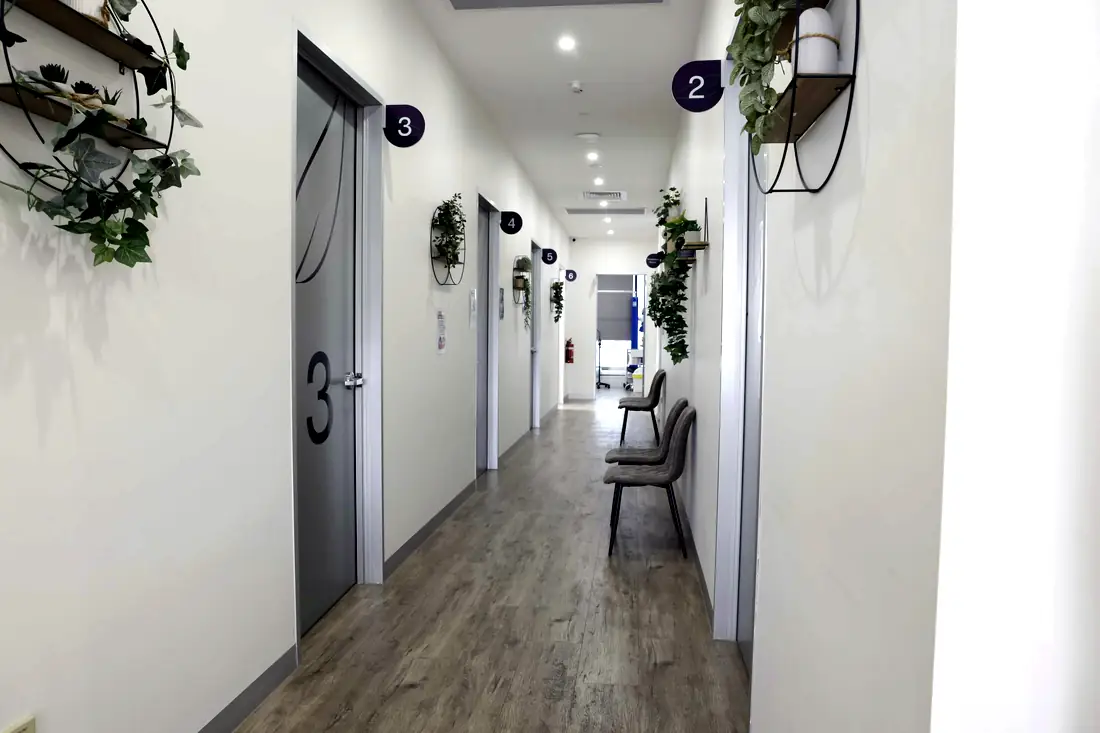
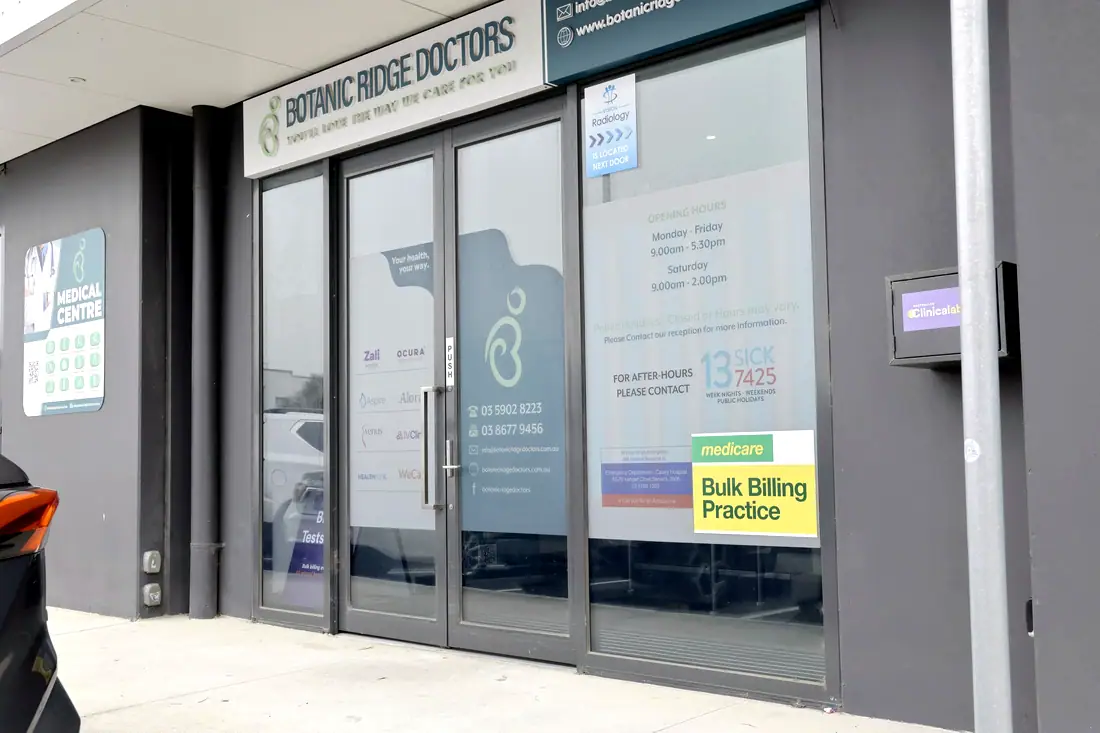
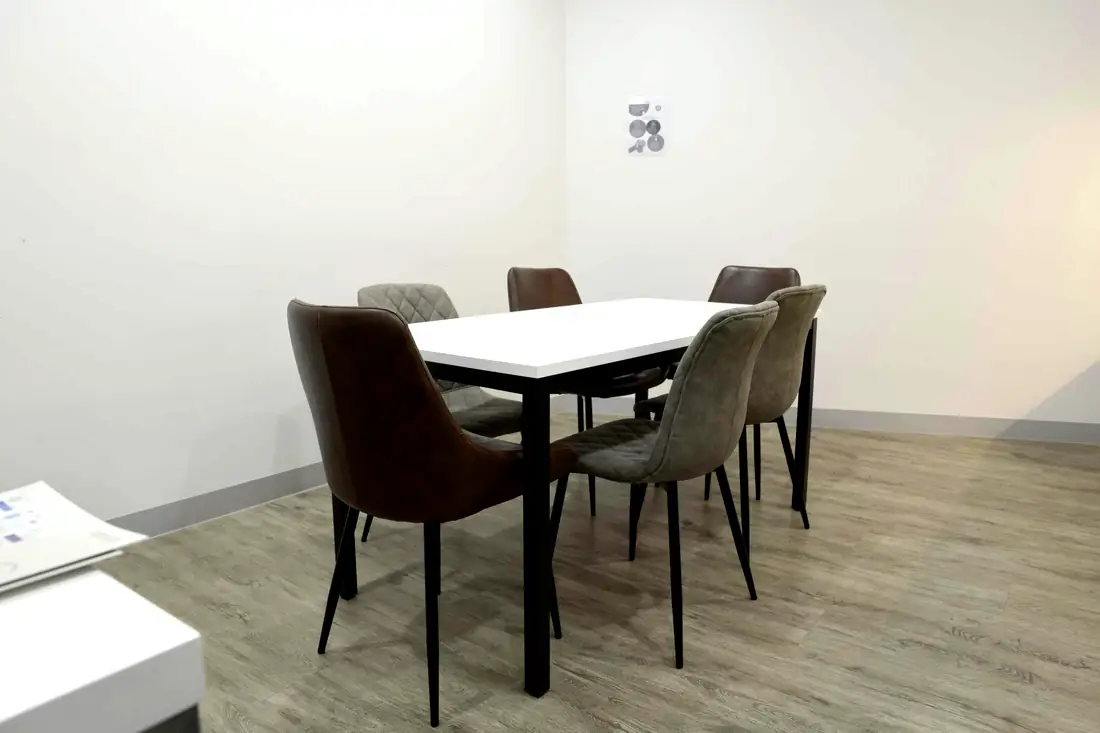

The works divided into stages that each end with a practice that can open the next morning, agreed with your practice manager before we start.
Temporary partitions, negative pressure where it is warranted, and sealed routes so dust never reaches a clinical area in use.
Noisy and disruptive work scheduled around the appointment book rather than the other way round.
Usually the single highest-impact element — the part of the practice every patient sees and the part that dates fastest.
Flooring, wall finishes and joinery renewed through consult, treatment and amenities, specified to take commercial cleaning.
Switchboard, data, lighting and mechanical brought up to current requirements while the walls are open.
Three rooms from the register, photographed on completion.

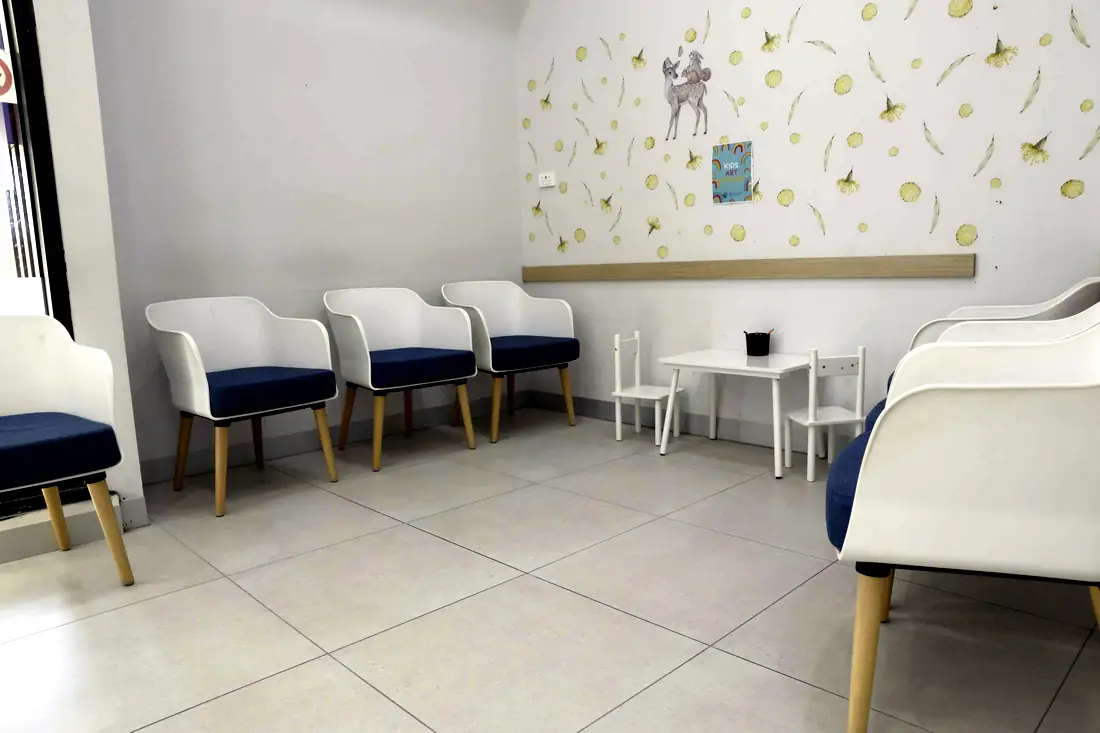
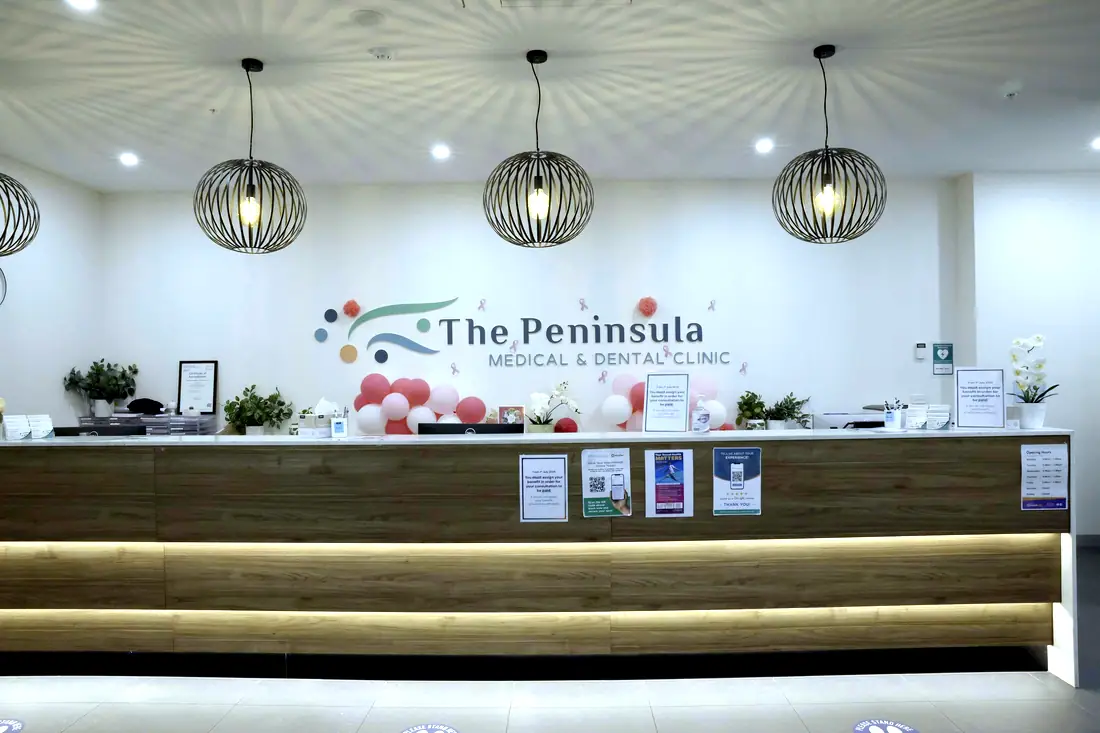
One project is recorded as a standalone refurbishment. We will not inflate that number — a great deal of refurbishment-type work sits inside our other 37 builds, but this is the one documented as such.